AI-generated image, not a photograph of a real person or place.
A soft toy should be the safest thing in the toy box.
UK toy safety rules cover any toy meant for play by children under 14, and soft toys are no exception. Trading standards officers suggest a few quick checks: the marks and labels, the age guidance, and the seams, fur and small parts.
Toys sold in Great Britain must meet essential safety requirements. Marks help, but they can be faked, so look at the toy too.
MARKS AND LABELS
UKCA or CE, plus an address
Nottinghamshire Trading Standards says toys must by law carry the UKCA or CE mark, and should show a UK name and address for the importer and manufacturer, and a batch, serial or model number.
Toys not safe for children under 3 should say so in words or pictures. Trading standards advise never giving toys meant for older children to under-threes.
General information only, not professional safety advice. If someone is in immediate danger, call the emergency services.
AI-generated image, not a photograph of a real person or place.
FOUR CHECKS TO TRY
A minute before you wrap it.
These follow the advice of UK trading standards services for anyone buying or passing on a soft toy.
Buy from a seller you trust
Toys from unknown sellers, online marketplaces and market stalls may be cheap but are more likely to be dangerous.
Read every label
Look for the UKCA or CE mark, a UK name and address, a batch or model number, instructions and any warnings.
Tug, squeeze and look
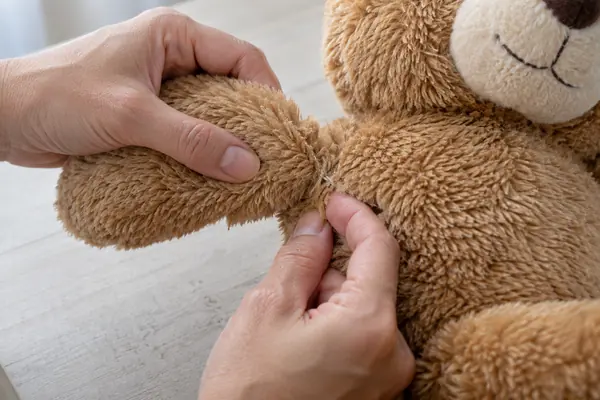
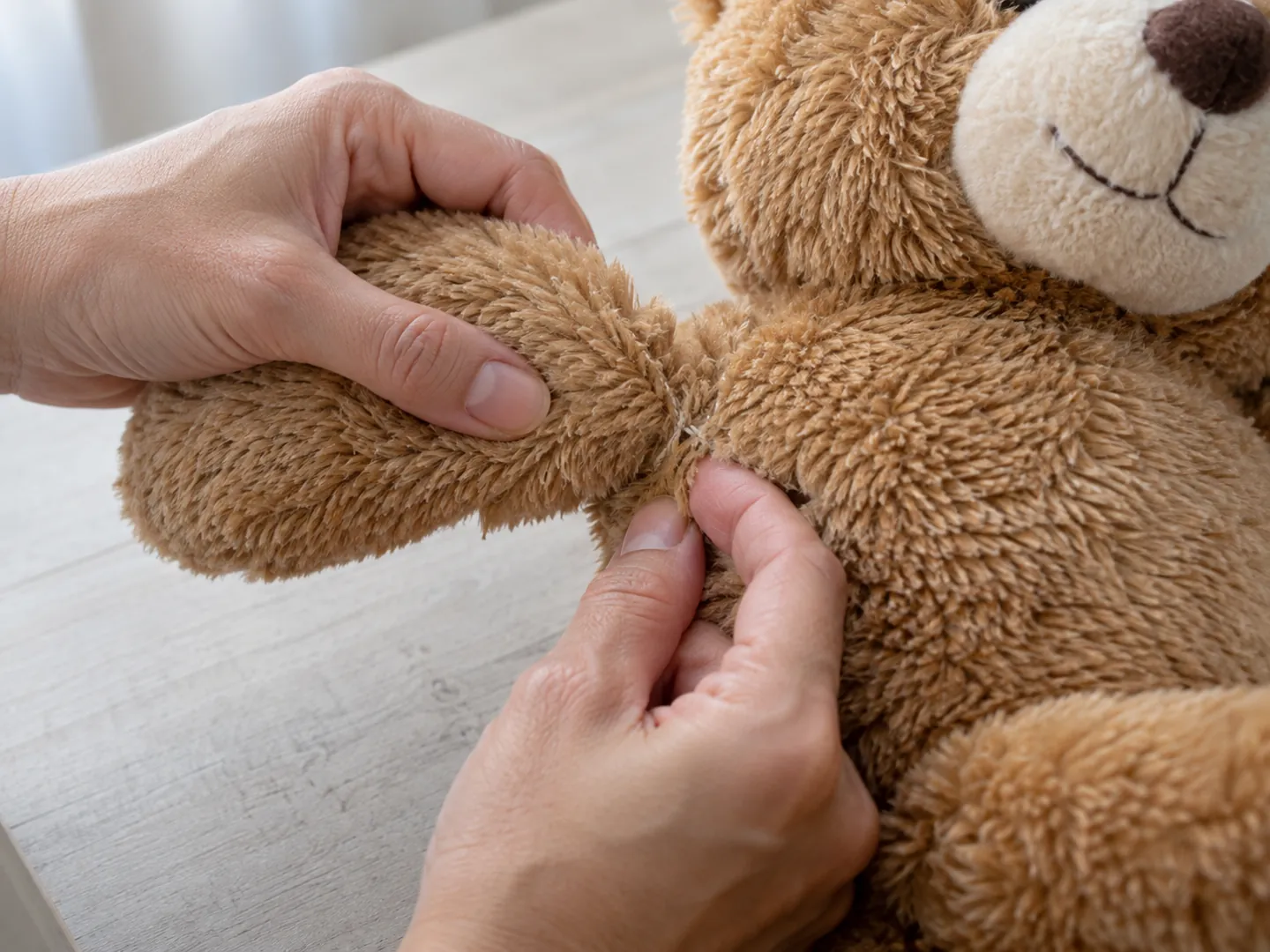
Check seams and stitching, eyes and noses, and whether fur comes away in your fingers.
Check the recall list
Search the GOV.UK product safety alerts and recalls list to see if the toy is known to be dangerous.
TWO NUMBERS WORTH KNOWING
Who the rules protect, and the age to watch.
Two thresholds from the UK's toy safety rules, as explained in OPSS guidance.
14 years
Toy safety rules cover toys for play by children under this age
The Toys (Safety) Regulations 2011 apply to toys designed or intended, whether or not exclusively, for use in play by children under 14 years old.
SCOPE · OPSS
36 months
Age below which the guidance asks for particular care
The ability of users must be taken into account, in particular for toys intended for children under 36 months. Warnings must be in English and start with the word 'Warning'.
YOUNGEST USERS · OPSS
Manufacturers must keep the technical documentation and declaration of conformity for a toy for 10 years, and keep a register of complaints and recalled toys.
A QUICK TEDDY CHECK
What do you notice about the toy?
Pick what you spot on a soft toy to see what trading standards suggest. The bar shows how much caution the guidance calls for.
Based on Nottinghamshire and Devon and Somerset Trading Standards advice and OPSS toy safety guidance. General information only.
AI-generated image, not a photograph of a real person or place.
BEHIND THE MARK
What makers have to do.
Before a toy goes on sale in Great Britain, its manufacturer must carry out a safety assessment, follow a conformity assessment procedure, draw up a declaration of conformity and fix the UKCA or CE marking visibly to the toy, its label or its packaging.
The rules also set particular safety requirements covering physical and mechanical properties, flammability, chemical properties, electrical properties, hygiene and radioactivity, including a list of allergenic fragrances that toys must not contain.
In conversation
Questions people ask
What marks should a teddy bear have?
A UKCA or CE mark, which toys must have by law, plus a UK name and address for the importer and manufacturer and a batch, serial or model number, according to Nottinghamshire Trading Standards.
Is a CE or UKCA mark a guarantee of safety?
Not on its own. Trading standards warn that these marks can be faked, so also consider where you are buying from, how much you paid, and the condition of the toy.
Why do some soft toys say 'not suitable for children under 3'?
Toys not safe for under-threes should say so in words or pictures. Small parts, pull-out fur and loose ribbons are among the dangers to look out for.
Are second-hand teddies safe?
They can be, but trading standards say second-hand toys are more likely to be worn out, modified or missing modern safety features, so check them carefully in person.
What should I do if I think a toy is unsafe?
Nottinghamshire Trading Standards says you can report it to Trading Standards through the Citizens Advice Consumer Service. You can also check the GOV.UK product recalls list.
Sources
Each figure on this page comes from the sources below.